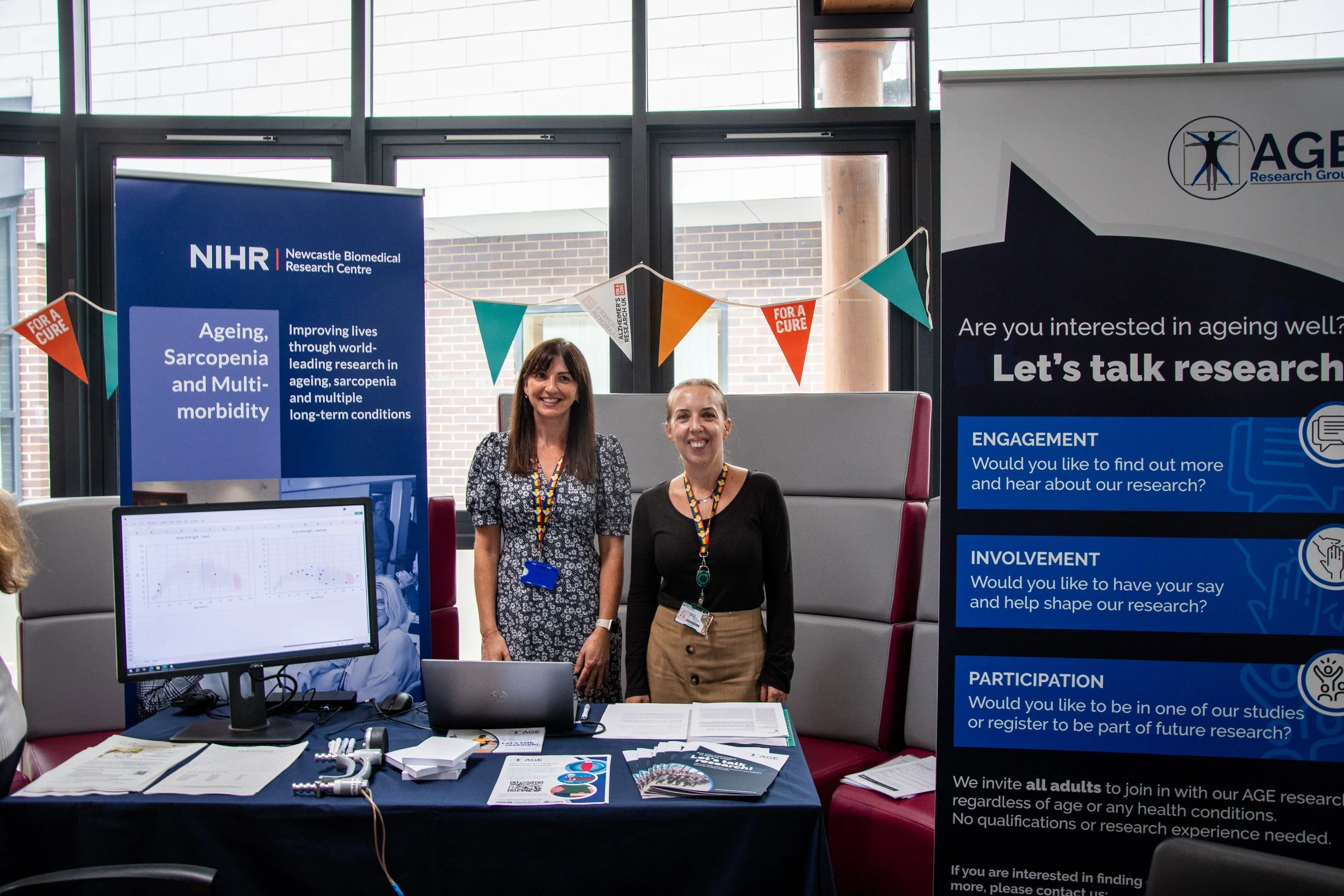
Patient & Public Involvement & Engagement
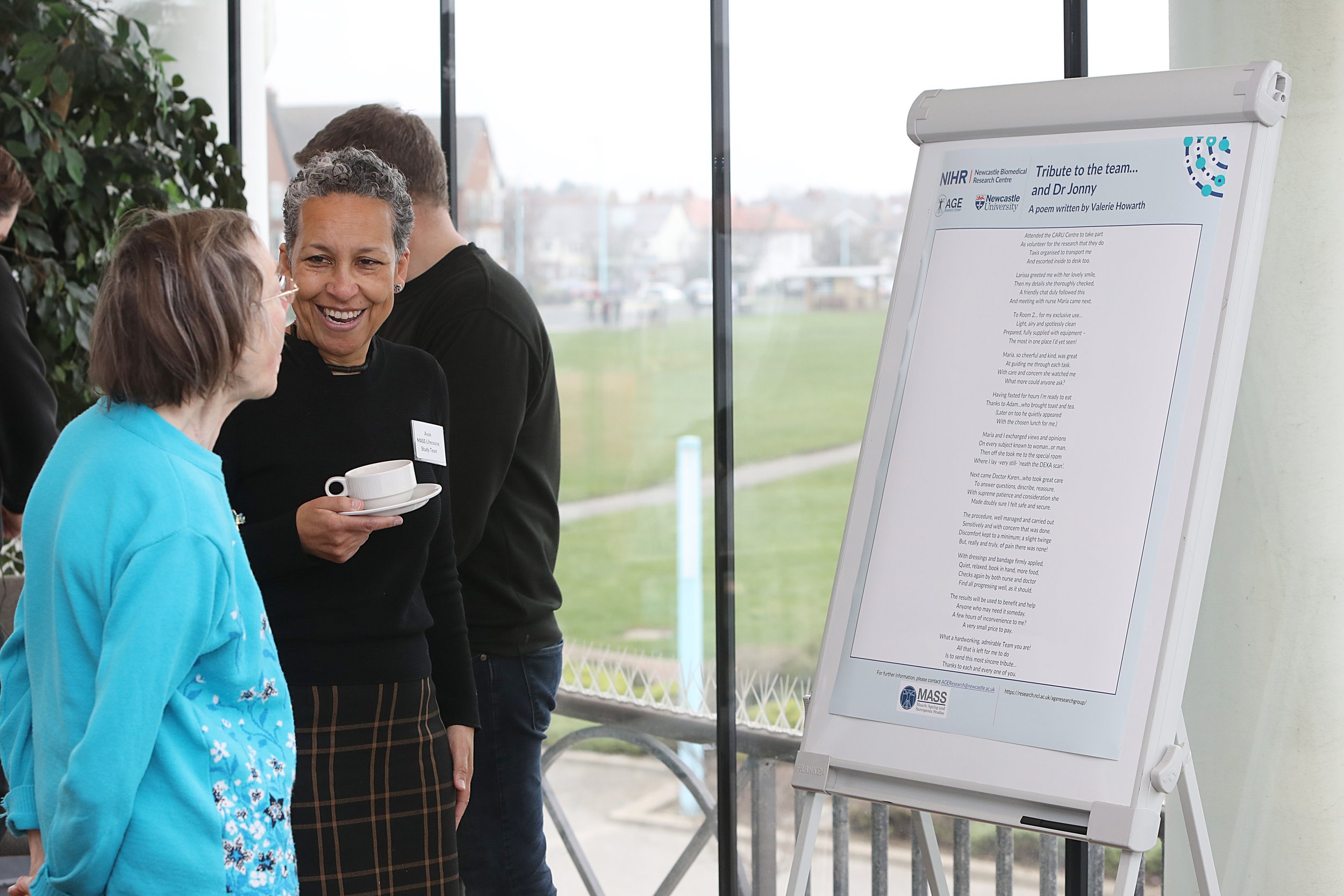
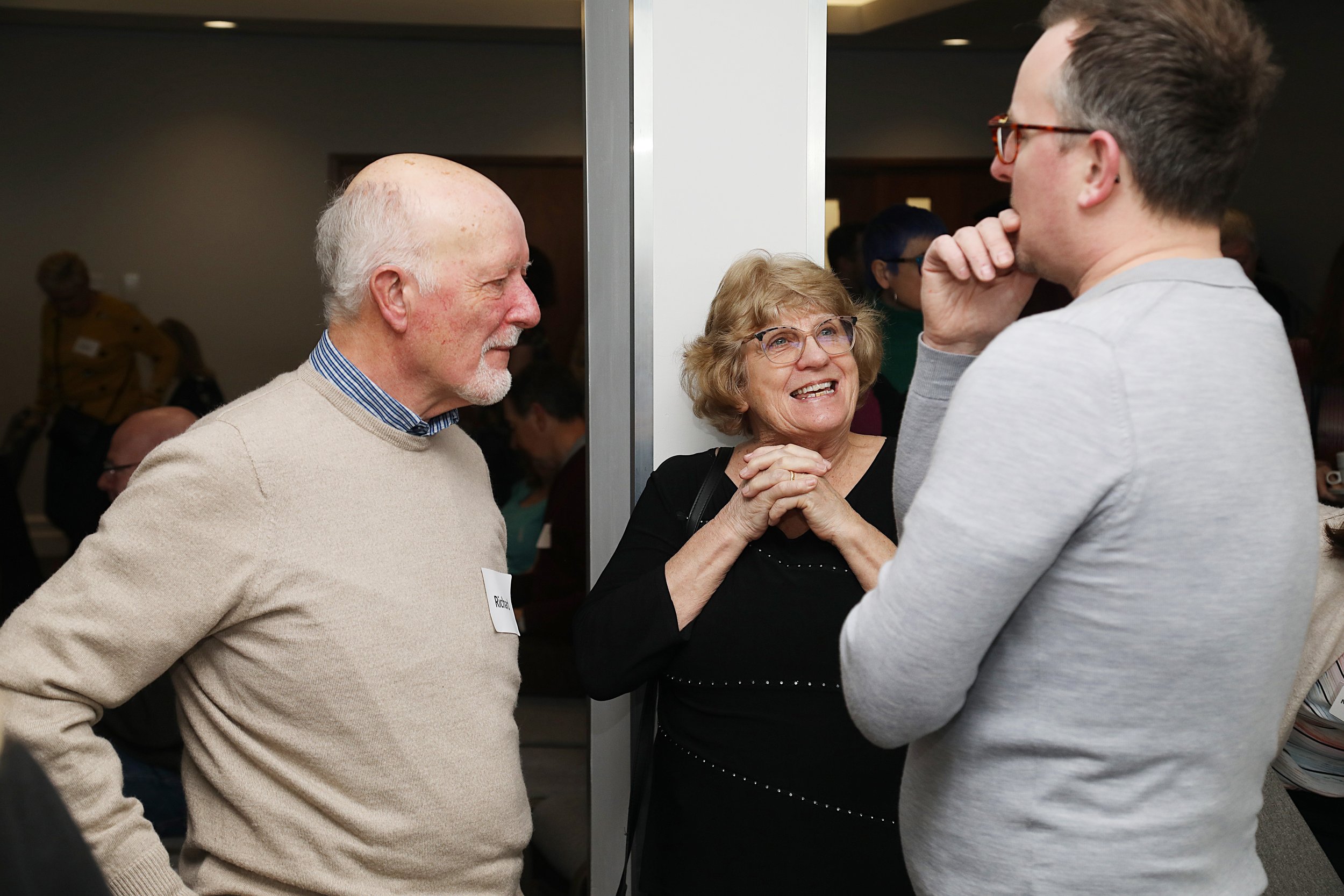
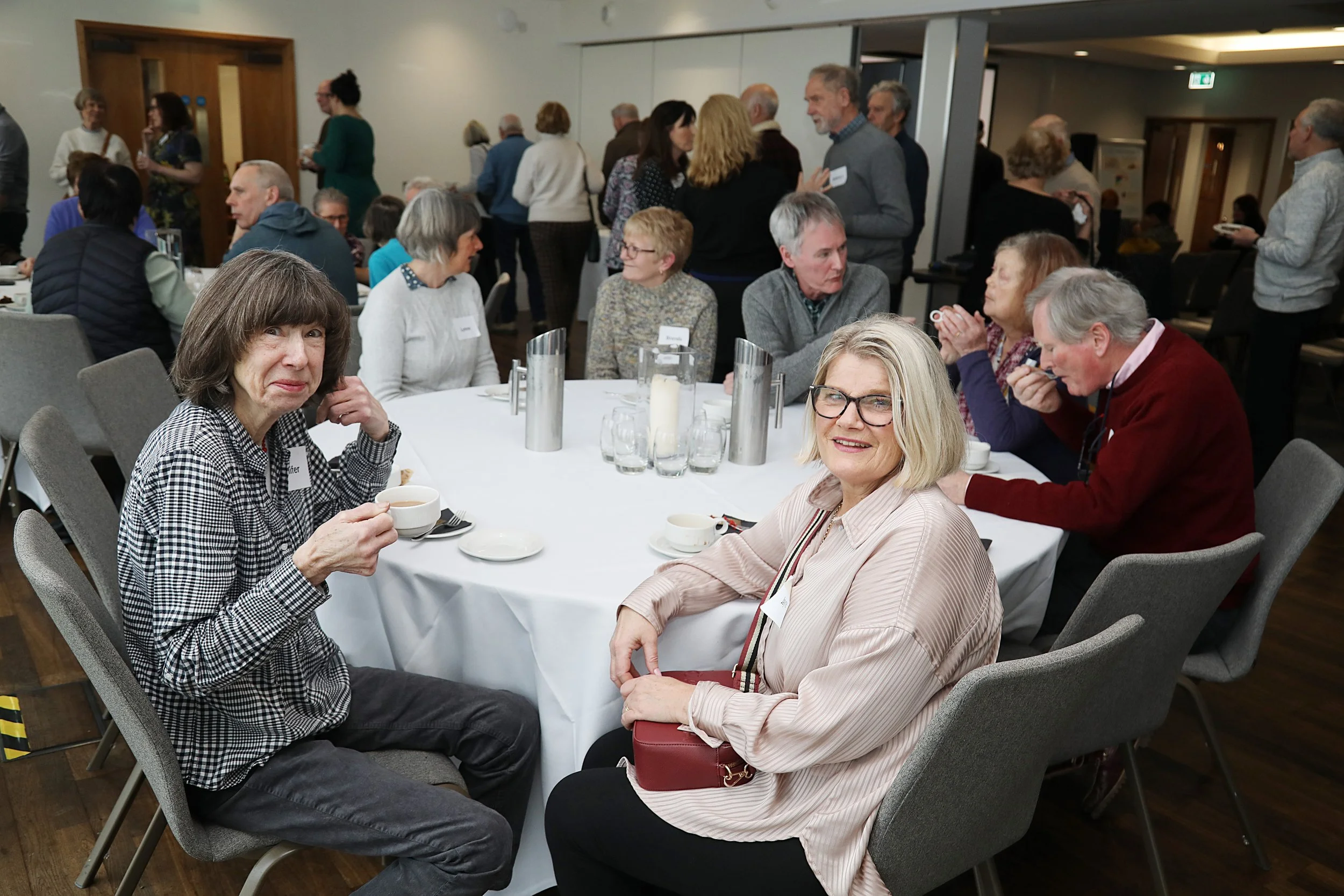
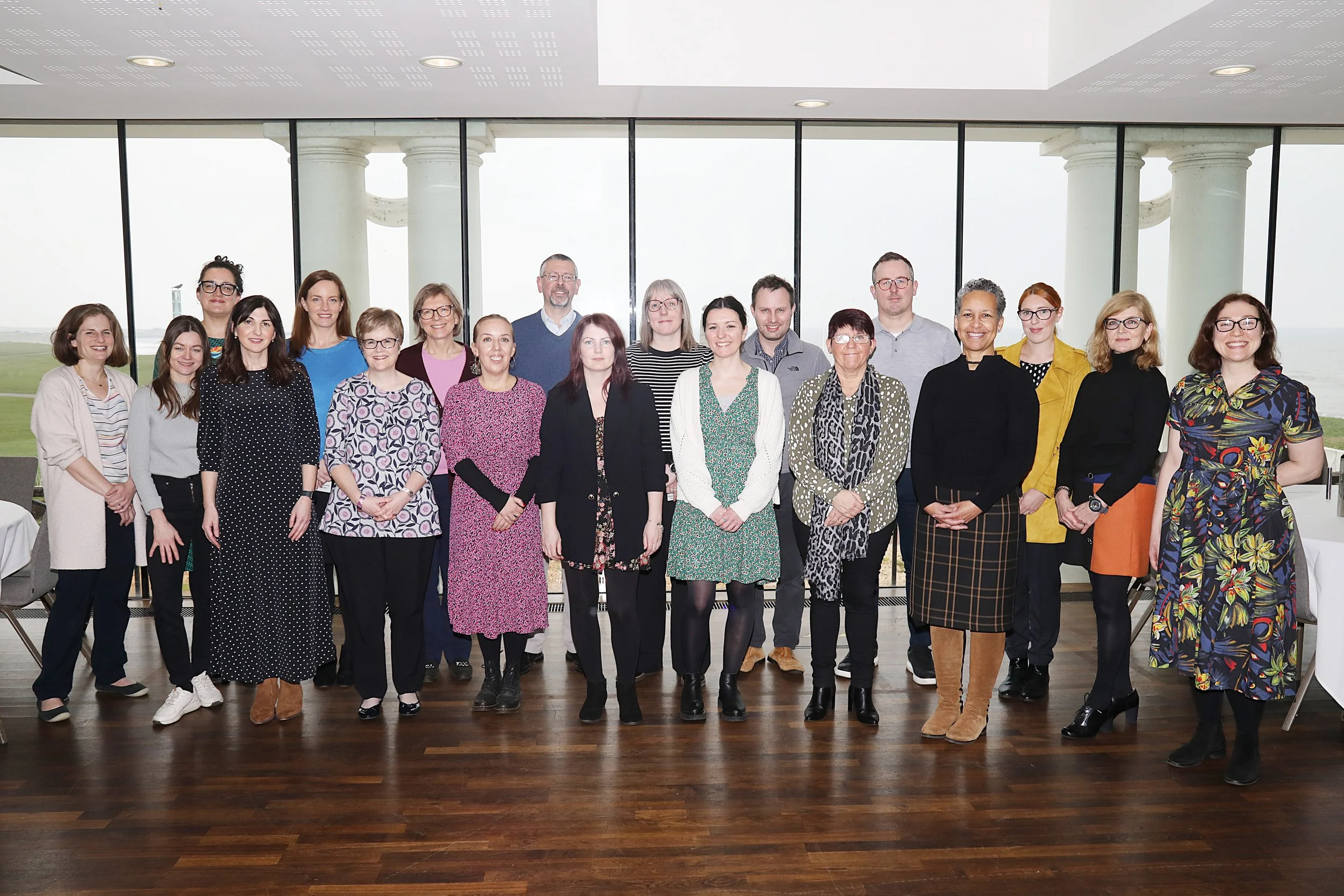
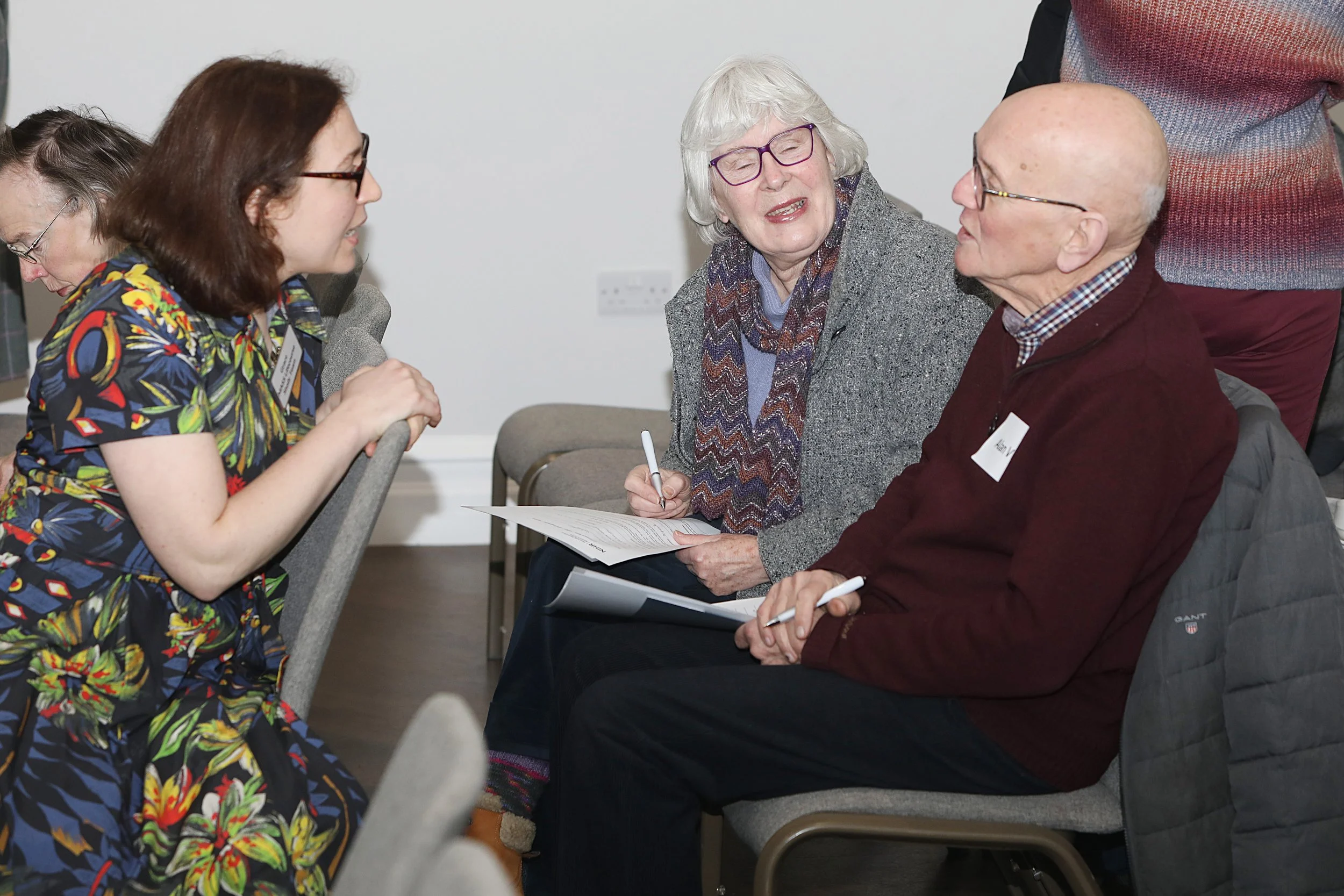
Patients and the public are at the heart of everything that we do. We work closely with the NIHR Newcastle Biomedical Research Centre to provide opportunities for the public to hear about our research, shape our research and participate in research studies. In addition, AGE Research Group members are actively encouraged and supported to embed meaningful patient and public involvement and engagement (PPIE) across all stages of their work.
Our active partnerships with a diverse range of patients and the public enable us to benefit from their unique lived experiences and invaluable perspectives and help to ensure that our research is relevant, useful and beneficial to all.
There are three key elements to these partnerships: engagement, involvement and participation.
Engagement: we share information about our research with the public
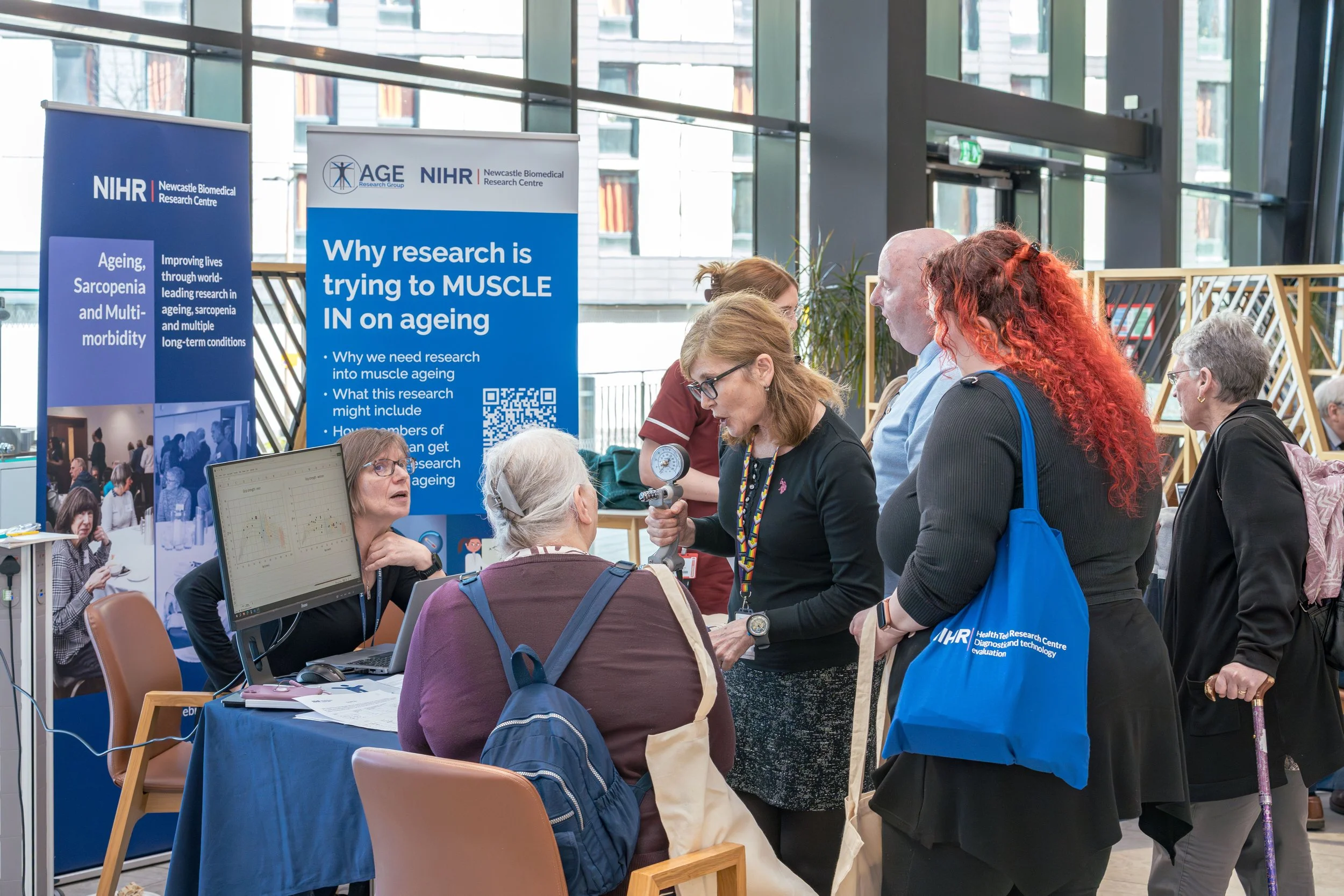
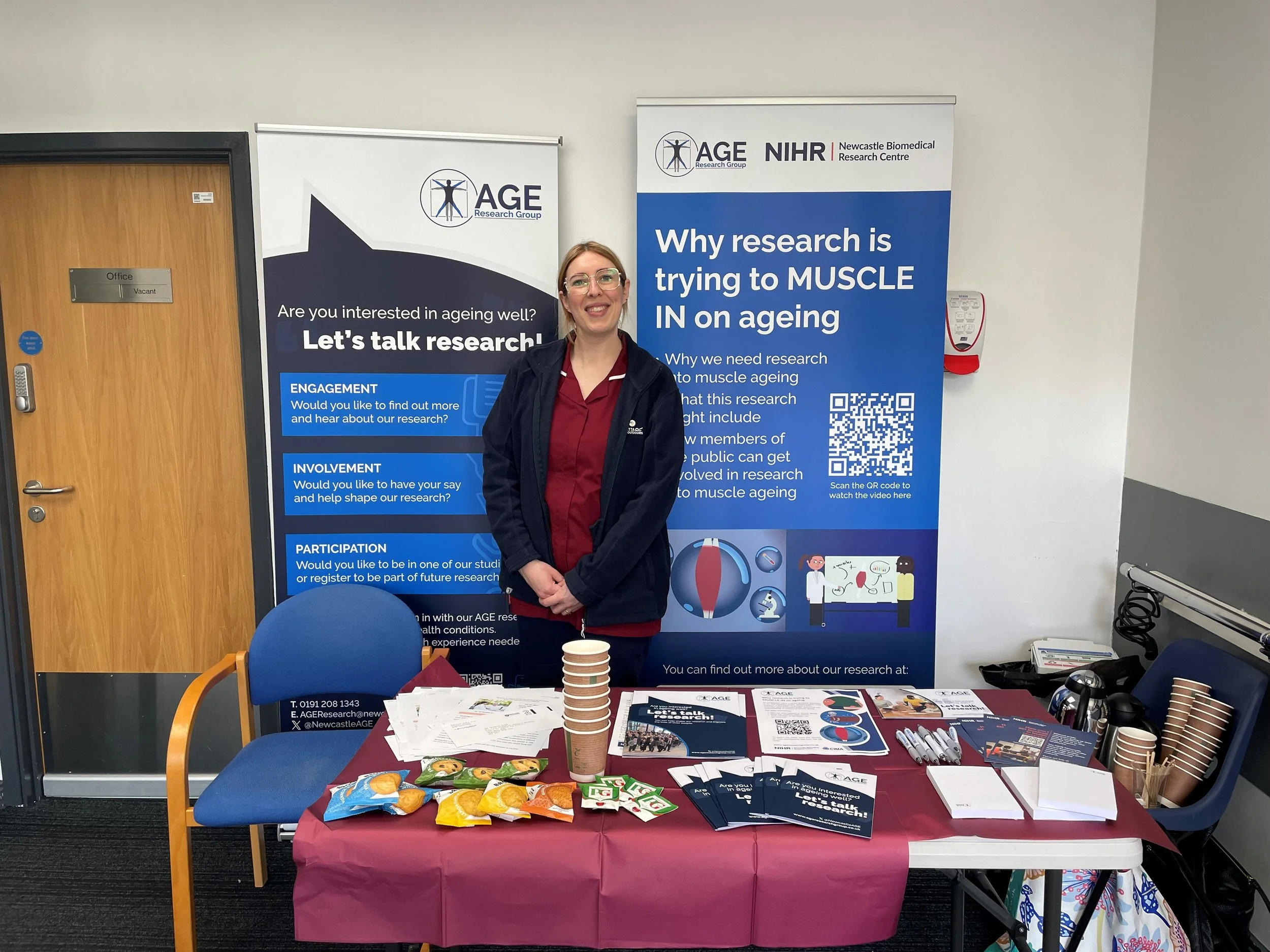
We regularly engage with the public to share knowledge, information and updates about our research.
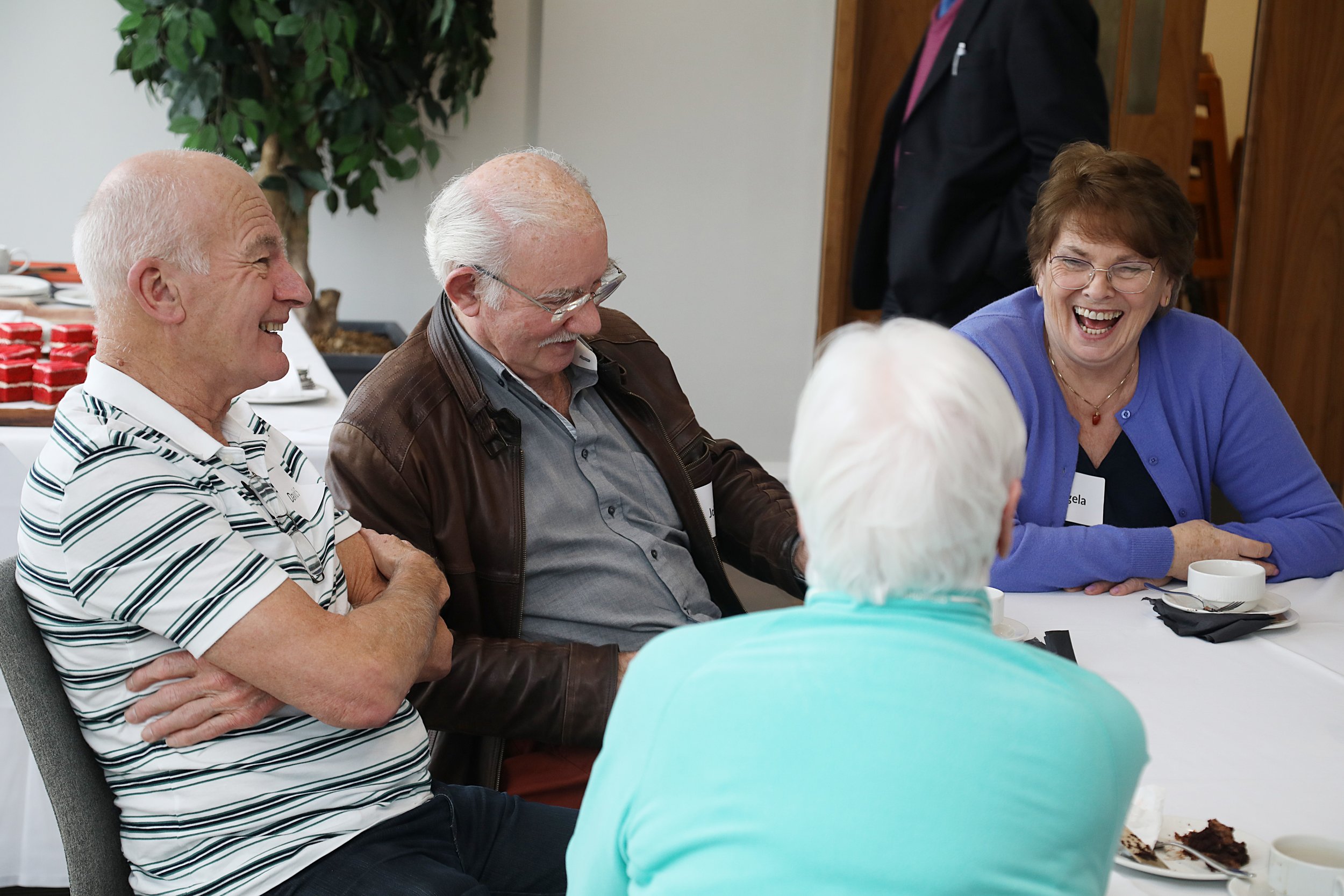
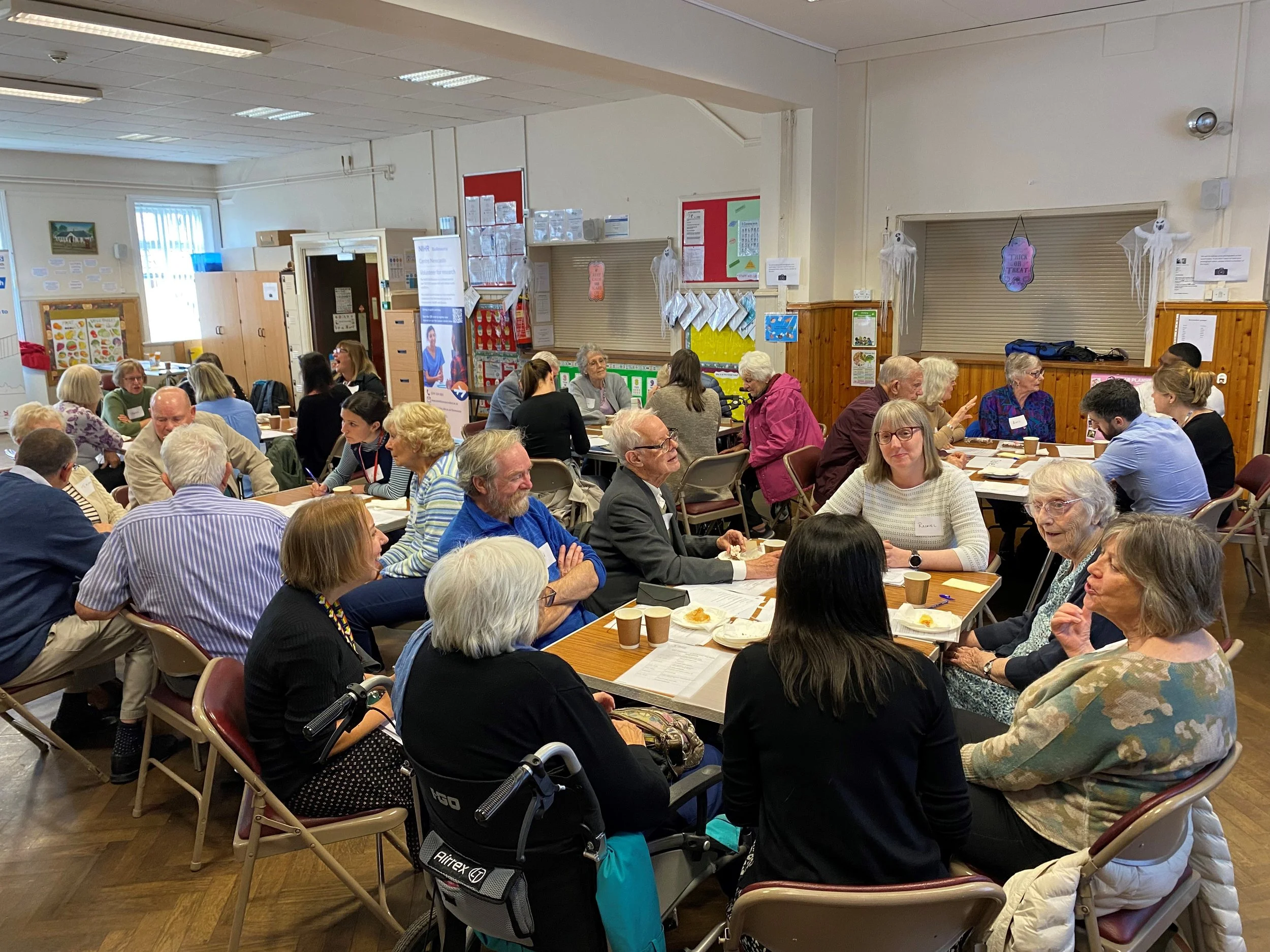
Our inclusive public engagement events have included tea parties, a seaside celebration and research coffee mornings. These events enable us to raise awareness of our research, thank the public for taking part, and share key results and study updates.
We work with members of the public to design and develop our engagement events, ensuring they are relevant and accessible.
Learn more about our public engagement events:
Involvement: members of the public are actively involved in our research
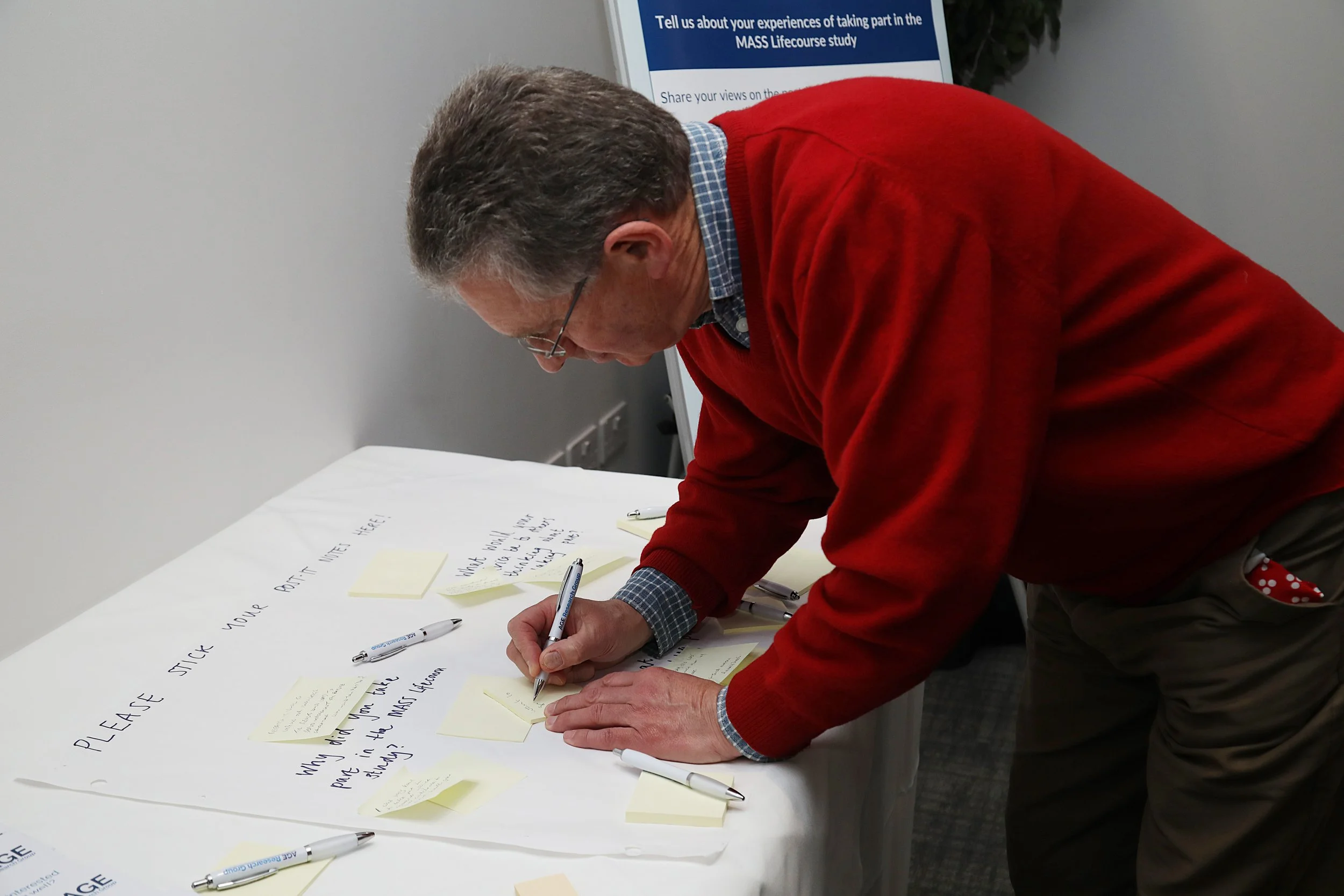
We work with patients and public at all stages of our research – from the discussion of early ideas to shape our research and set priorities, to the design of methods, interpretation of data and sharing findings.
We do this in different ways across our studies, including working with individual public contributors and with informal discussion groups, as well as in more formal collaborations with project-specific advisory groups.
Participation: members of the public take part in our research
We recruit members of the public to take part in our studies.
In some studies, participants are asked to complete a health questionnaire, for example to learn about the impact of health conditions on daily life.
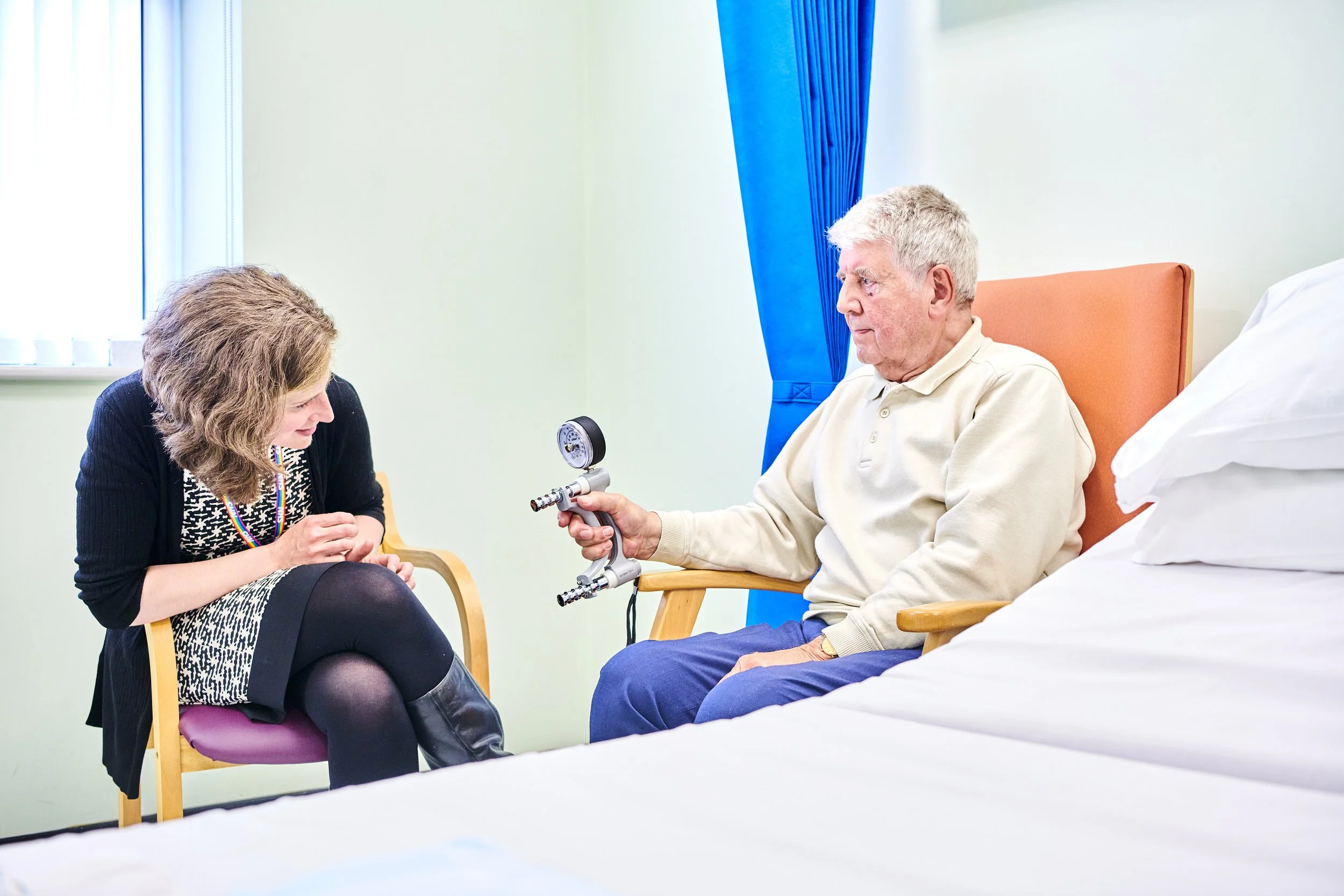
Other studies might assess physical function, for example hand grip strength, or ask a participant to wear an activity monitor, which measures how much they move about during the day.
For some of our studies, participants are asked if they are willing to have an MRI scan or give a small muscle sample (called a muscle biopsy).
We also carry out studies to test the effectiveness of interventions such as starting an exercise programme, changing diet or taking new medications.
You can learn more about our current studies and other activities by browsing the Our Research page.
Impacts and outputs
Through meaningful public engagement and involvement activities, we gain valuable insights into what works well for research study participants. We embed this learning into the design of future studies to further strengthen the relevance, accessibility, and impact of our work. For example:
Designing the MET-PREVENT trial and sharing the results
Public involvement work highlighted the value of home visits in clinical trials for older adults. This inclusive approach - also informed by the NIHR-INCLUDE project - was built into the MET-PREVENT trial and helped to ensure that older participants, who were assessed at home, remained engaged and able to take part throughout the study.
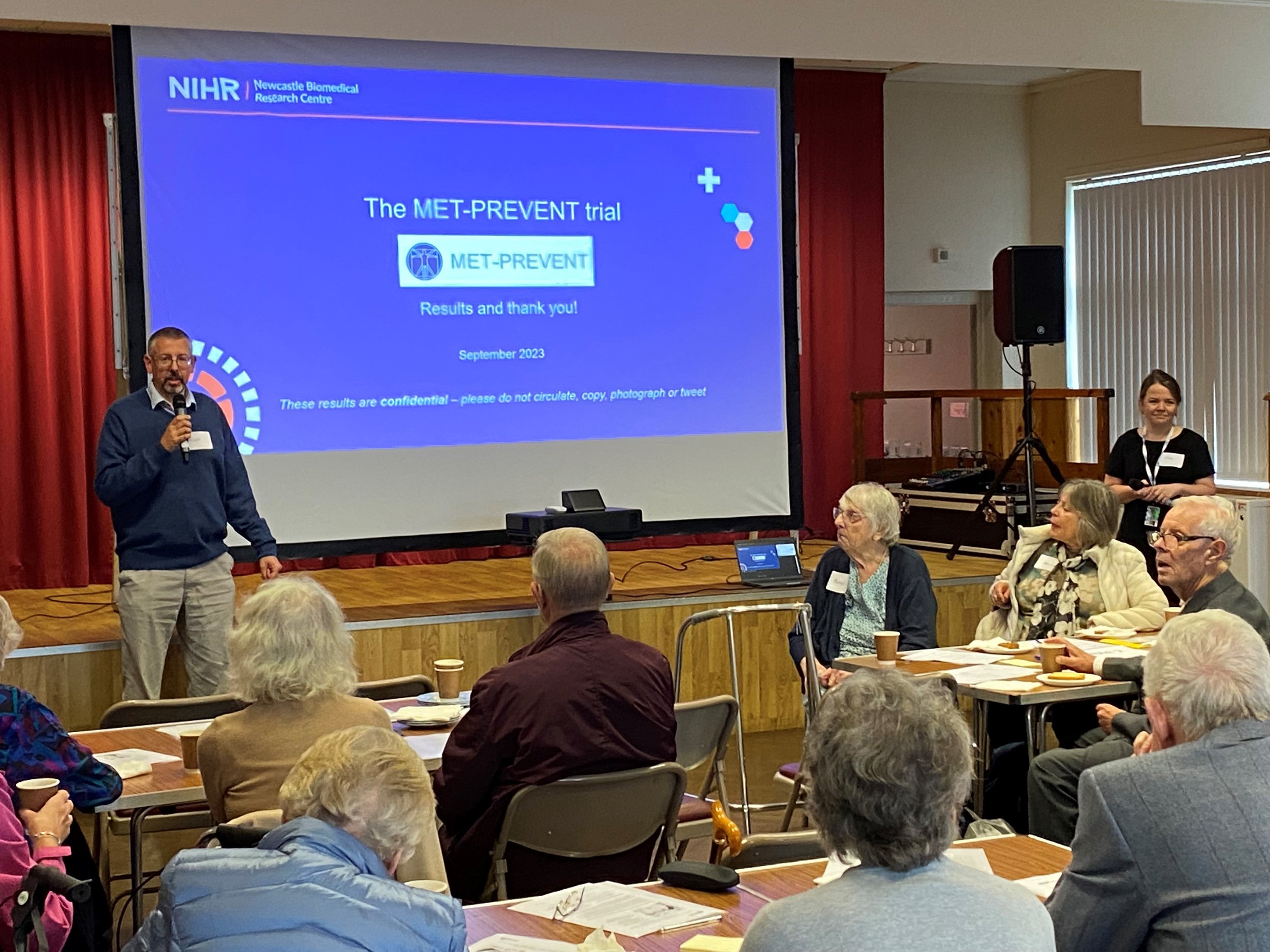
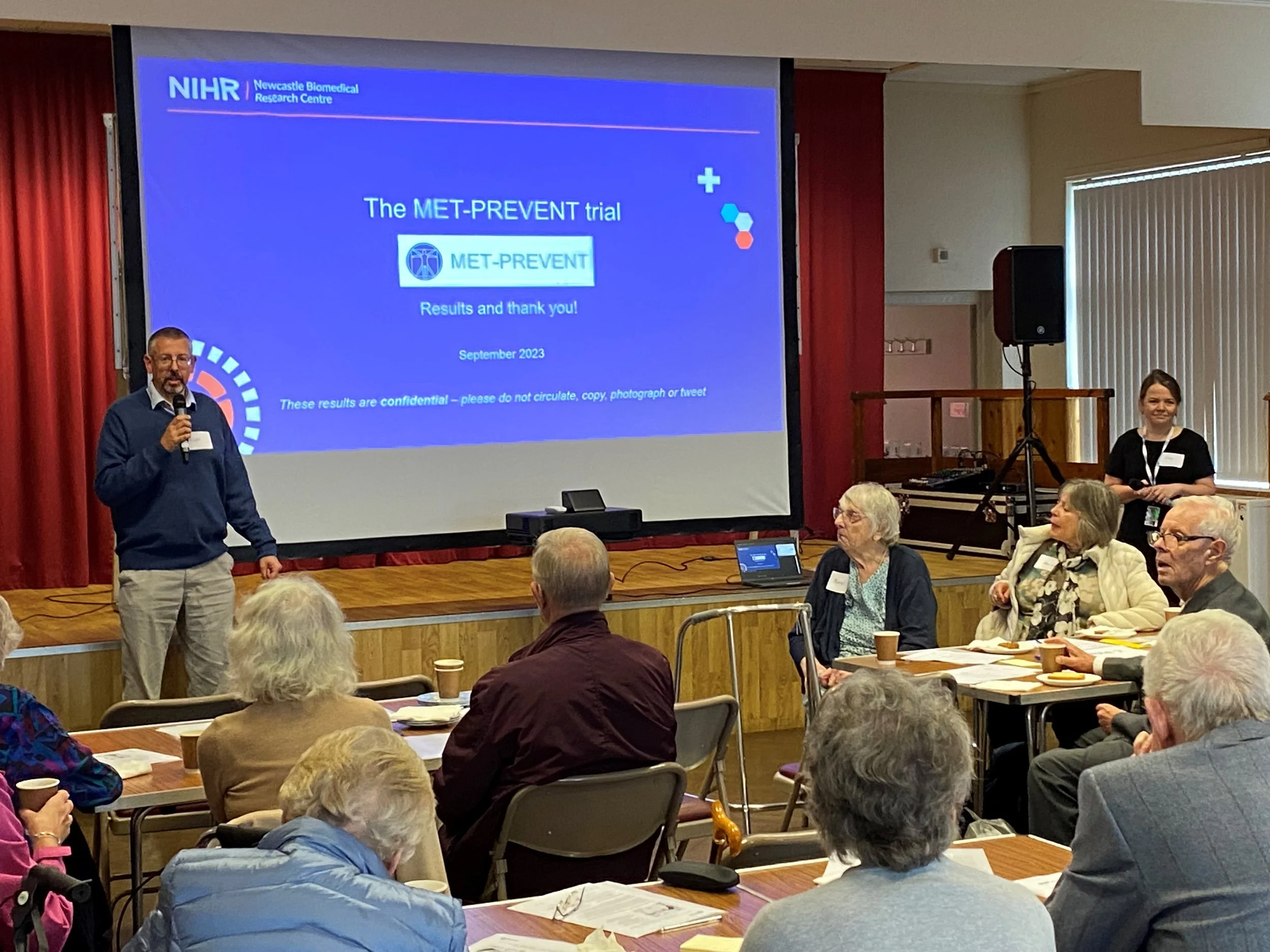
In response to public feedback highlighting that many researchers do not share their findings with participants once a study is complete, we designed a public event for MET-PREVENT participants tailored to their needs at which we shared with them our key findings and consulted them about future research. Read more about the impact and learning from this process in our article; “How to design a public engagement event for an underserved group of older study participants”.
Shining a spotlight on lived experiences of sarcopenia
Through our PPIE events, older people were invited to share their experiences of age-related decline in muscle function. These perspectives were included in a section on lived experience within a Nature Reviews Disease Primer on Sarcopenia led by members of the AGE Research Group, and helped us to shine a spotlight on the real-world impact of living with sarcopenia.
We actively disseminate the outputs and impacts of our public involvement and engagement activities through a range of accessible formats, including case studies, videos, and news articles:
How to contribute to our research
There are different ways in which people can contribute to our research and we invite all adults, regardless of age or health status, to get involved.
Please sign up to our PPIE contact list if you would like to:
Find out more and hear updates about our research
Have your say and help shape our research
Take part in one of our studies or register to take part in future research.
Contact
If you have any questions, please contact Helen Atkinson, Patient and Public Involvement and Engagement Manager, on 0191 208 1343 or at AGEresearch@newcastle.ac.uk.