
In April 2026 a highly publicised UK Biobank data breach caused widespread concern about data security in research. The UK research community and organisations that promote public trust in research (including PEDRI, use MY data, HDRUK, and the SAIL Databank) highlighted that the data breach could make people less willing to take part in research.
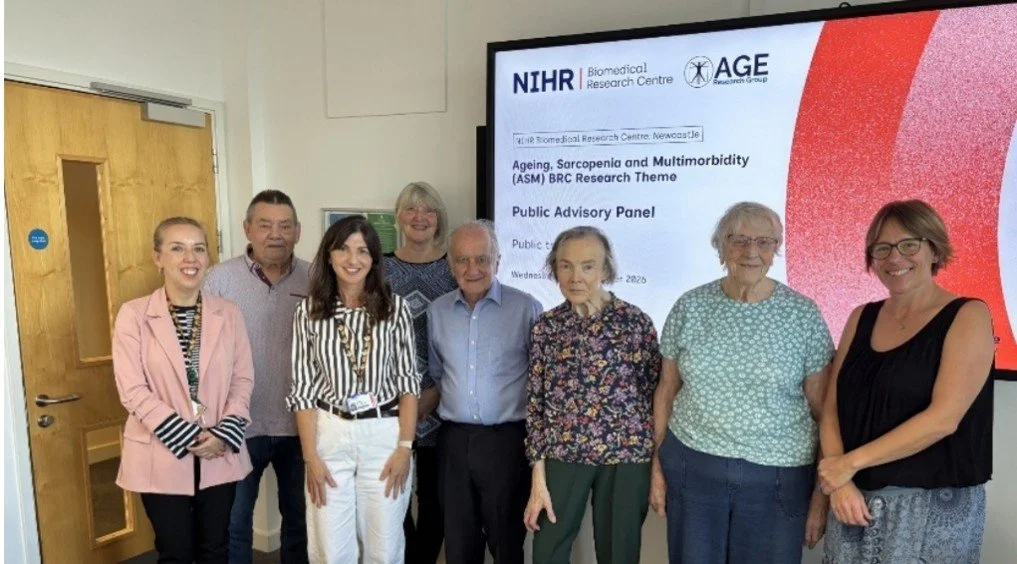
Locally, we noticed that study participants started asking us about the UK Biobank data breach and whether their data were safe with us. We realised we needed to understand these concerns and be ready to respond. As a result, we focussed the September meeting of our Ageing, Sarcopenia and Multimorbidity (ASM) Research Theme’s Public Advisory Panel on the topic of Public Trust in Data.
The meeting began by discussing how data are everywhere in today’s world and can help modern life to run smoothly. However, data breaches have affected government, retail, and internet organisations, and now a major UK research study.
We asked the panel how the headlines about the UK Biobank data breach had made them feel. Whilst some concern was expressed, reassuringly the panel all said that the breach would not affect their personal willingness to take part in research. However, the panel did acknowledge that others might be worried and highlighted their own concerns about telephone and online scams, and whether their financial details and health records could be stolen and misused.
We then shared with the panel details of how we keep research data safe and outlined all the steps we take to ensure that our studies meet strict research governance requirements. The panel were interested and reassured to hear about how much careful work goes on behind the scenes.
Finally, the panel were invited to review a ‘crib sheet’ which explains in accessible language how we keep data safe. The panel’s helpful feedback has been used to finalise this resource which is now being used to help AGE Research Group members to talk more confidently about data security with study participants if and when they ask questions about this.
We are very grateful to the members of the Public Advisory Panel for giving us their time and participating in discussions so thoughtfully.